

The right carpet depends on more than colour and softness: room function, rolling loads, construction, fibre, subfloor condition and maintenance all affect its service life. By the end, you will be able to compare carpet formats, specify performance requirements and ask a seller for the documents needed before approving an order.
Key takeaways
- Use broadloom carpet where acoustic comfort and continuous coverage matter.
- Compare fibre, pile construction, density, backing and performance ratings before buying.
- Specify cushion, subfloor moisture limits, seams and installation conditions in writing.
- Request colour samples, maintenance instructions, safety documents and replacement terms.
Decide Where Broadloom Carpet Makes Sense
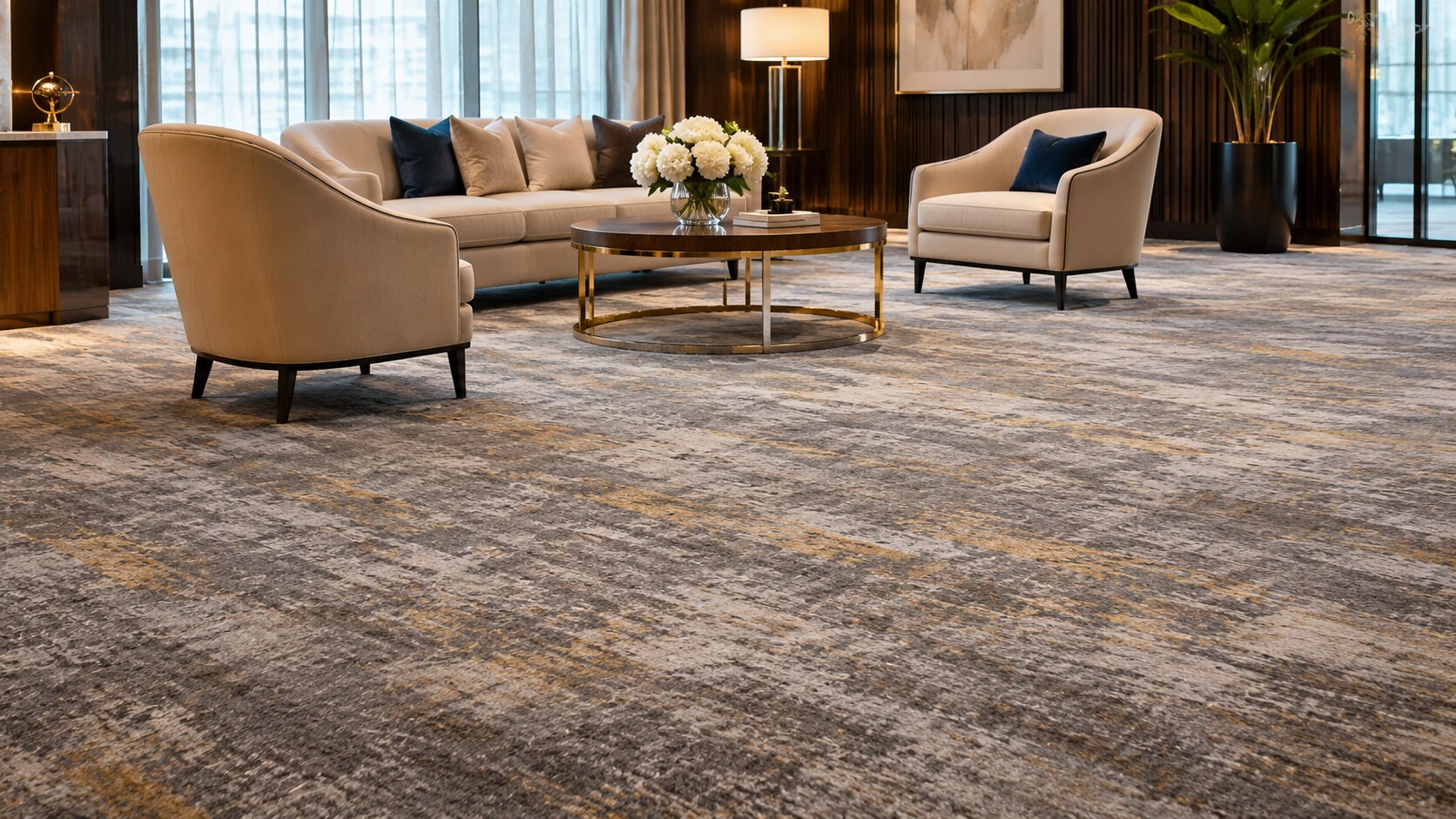
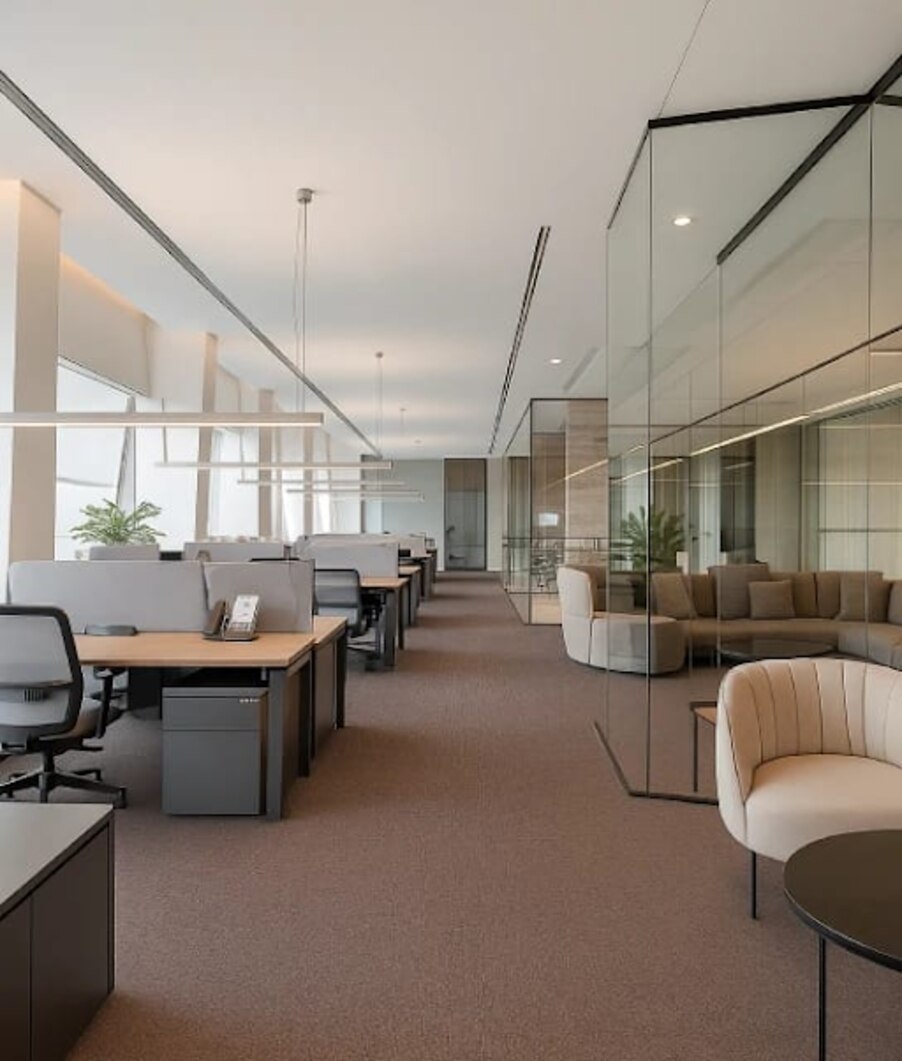
Choose Wall To Wall Carpet when you want continuous coverage, acoustic softness and a warmer underfoot feel. It suits hotel bedrooms, meeting rooms, offices and residential bedrooms, provided the subfloor is dry, level and properly prepared. Wall To Wall Carpeting arrives in rolls, so seams, perimeter trimming and professional installation affect the finished appearance.
| Option | Strength | Better choice when |
|---|---|---|
| Wall To Wall Carpet | Continuous, quiet and comfortable | The room needs a unified appearance and spills are manageable |
| Carpet tiles | Replaceable sections and easier phased work | Corridors, offices or hotel areas need fast repairs with minimal disruption |
| Area rug | Flexible coverage without permanent installation | You want to define a seating zone or protect a small part of a hard floor |
| Hard flooring | Easier visual inspection and spot cleaning | Entrances, restaurants, kitchens, bathrooms or wet-prone areas face frequent spills |
Avoid broadloom where a damaged section must be replaced quickly: repairing one area can require matching dye lots and a visible seam. Carpet tiles limit that problem. An area rug is the better choice when you may rearrange furniture or want access to the entire floor beneath it.
For corridors, lobbies and busy homes, reject soft high-pile carpet if crushing, tracking or directional shading would look unacceptable. Choose a low-profile construction, or select hard flooring where rolling loads, moisture and aggressive cleaning dominate the room’s use.
Compare Construction, Fibre and Performance Specifications
A low-profile, dense loop carpet in nylon suits hotel corridors better than a soft, high-pile cut carpet because luggage carts, office chairs and housekeeping equipment punish pile and seams.
| Construction and fibre | Best match | Check before ordering |
|---|---|---|
| Low-profile loop, nylon | Corridors, lift lobbies and busy offices; resilient and less prone to crushing | Commercial performance rating, dense pile, strong backing and documented tuft bind |
| Patterned loop or cut-and-loop, nylon | Lobbies, meeting rooms and homes needing a structured appearance that hides tracking | Pattern direction, seam visibility, pile density and cleaning method |
| Cut pile, wool or wool blend | Bedrooms and quieter residences where softness, colour depth and luxury matter | Crushing recovery, professional-cleaning instructions and stain limitations |
| Polyester or polypropylene loop | Lower-traffic rooms needing stain or moisture resistance at a lower cost | Resilience, colour retention, static behaviour and suitability for rolling loads |
Compare pile height, pile density and face weight together; a heavy face weight alone does not prove durability. Dense, low-profile pile normally cleans more easily and shows less crushing than tall, loose pile.
For Wall To Wall Carpeting, verify the backing, adhesive and cushion as a complete system. Cushion that is too soft or thick permits flexing, wrinkling and seam failure; too little cushioning accelerates wear. Ask for the manufacturer’s rolling-load limits, cleaning instructions, warranty exclusions and fire-test classification for the installed assembly, not a generic fibre claim.
Specify Hotel Loads, Cushion and Installation Conditions
Before ordering, match the carpet to its actual load and approve the installation system, not just the colour and fibre. Hotel corridors, lift lobbies and banquet rooms need commercial construction, dense pile, durable backing and seams designed for concentrated foot and rolling traffic.
A soft, high-pile residential carpet can crush, track and show directional shading quickly.
1. Ask for the stated performance rating and intended use. Confirm that it covers luggage carts, office chairs, housekeeping equipment and other rolling loads, not only pedestrian traffic. Pay special attention to doorways, corridor turns, lift lobbies and seam locations.
2. Specify the cushion by thickness, density and backing compatibility. Cushion that is too soft or thick permits flexing, wrinkles and seam failure; inadequate cushion reduces comfort and accelerates wear. Obtain written confirmation that the cushion preserves the carpet warranty.
3. Confirm installation conditions before delivery. The subfloor must be clean, dry, firm and level; resolve dampness, cracks and uneven transitions first. Agree on roll acclimatisation, carpet direction, seam placement, adhesive, stretching method and perimeter finishing. Broadloom Wall To Wall Carpet normally needs seams, and poor placement or lighting can make them conspicuous.
4. Get the product data sheet, installation instructions, cleaning method and warranty exclusions. Check exclusions for flooding, persistent dampness, unsuitable cushion, poor installation, improper cleaning and unapproved rolling loads.
A Wall To Wall Carpet Supplier should identify who measures the site, checks moisture, installs the carpet, repairs seams and handles warranty claims. Record carpet, cushion, adhesive, labour and taxes as separate quotation lines.
Check Colour, Lighting, Maintenance and Safety Evidence
Judge colour in the room, not from a showroom swatch. Place large samples under daylight, warm artificial light and the evening lighting used by guests or residents. Medium-value, multi-tone or subtly patterned carpet hides daily soil and isolated spots better than very pale or very dark solids.
Directional patterns can expose seams and make shading more noticeable.
Before ordering, require evidence for these checks:
- View the chosen colour and pattern in the actual room, including corners, doorways and areas receiving direct sunlight.
- Confirm the roll direction and seam plan; lighting, traffic, pattern alignment and installation quality affect how visible seams become.
- Obtain the manufacturer’s vacuuming, spot-cleaning and periodic extraction instructions, including approved chemicals and equipment.
- Specify entry mats and a response time for spills; delayed removal and weak vacuuming allow soil and allergens to build inside the pile.
- Request fire-test documentation for the complete installed floor assembly, including carpet, cushion and adhesive, with the classification required for the room’s code use. Hotel corridors, stairs, exits and public assembly areas can have different requirements.
- If installing over concrete, request ASTM F1869 or ASTM F2170 results and preparation records under ASTM F710. Excess moisture or alkalinity can cause debonding, mould-related problems or backing failure.
Wall To Wall Carpeting is suitable only when the written maintenance plan, safety evidence and site readings match the room’s use. A “fire retardant” claim alone proves nothing about installed performance.
Make the Dealer or Supplier Accountable in Writing
A written quotation should make one party responsible for the result. A Wall To Wall Carpet Dealer commonly measures the site and arranges installation, while a Wall To Wall Carpet Supplier may only distribute rolls; ask who handles each obligation before paying a deposit.
Ask for these items in the quotation:
- A site measurement showing room dimensions, doorways, stairs, thresholds, columns, expected roll direction, seam locations and the quantity allowed for pattern matching and waste.
- Separate prices for carpet, cushion, adhesive, trims, delivery, removal of existing flooring, installation, labour and taxes.
- The carpet’s product data sheet, stated use classification, roll width, batch or dye-lot details, installation method and seam-placement plan.
- Written confirmation of who will acclimatise the rolls, check the subfloor, install seams, correct visible seam failure and protect the completed floor.
- For hotels, the approved rolling-load use for luggage carts, office chairs and housekeeping equipment, especially in corridors, lift lobbies and banquet areas.
- Fire-test documentation for the complete installed floor assembly, plus the classification required for your corridor, stairway, exit or assembly space.
- Cleaning instructions naming the vacuum type, spot-treatment method, extraction limits and maintenance frequency.
Ask for the warranty before ordering. Check its exclusions for flooding, persistent dampness, unsuitable cushion, poor installation, improper cleaning and unapproved rolling loads, and record who receives claims. Flooringworld, like any Wall To Wall Carpet Supplier or installer, should identify this responsibility in writing rather than leave it to verbal assurances.
Related service
WALL TO WALL CARPET Upgrade your interiors with premium wall-to-wall carpet solutions that combine comfort, style, and durability. View service → |
Frequently asked questions
Where does broadloom carpet make sense?
Broadloom carpet suits hotel bedrooms, meeting rooms, offices and residential bedrooms when you want continuous coverage, acoustic softness and a warmer underfoot feel. Avoid it where frequent spills, heavy moisture or rapid access to the subfloor make modular flooring more practical.
Which carpet specifications should you compare?
Compare fibre type, pile construction, pile density, backing, wear rating, stain resistance, colourfastness and warranty terms. Check the technical data sheet rather than comparing fibre labels alone.
What should hotels specify for carpet installation?
Specify the expected traffic level, carpet cushion type, subfloor moisture and levelness limits, seam locations, adhesive requirements, roll widths, installation schedule and furniture-moving responsibilities.
What evidence should you check before buying?
Review physical colour samples under the room's actual lighting, cleaning instructions, safety documentation, fire-test classification where required, dye-lot details and written warranty exclusions.
What should a Wall To Wall Carpet Dealer or Supplier confirm in writing?
Ask for the product name, batch or dye-lot number, roll dimensions, quantity, cushion and adhesive specifications, installation scope, completion tolerances, maintenance guidance, warranty terms and the process for handling defects.